OpenChoreo’s 2026 Year in Review: Built Together, in the Open
In 2026, OpenChoreo grew into a community of more than a thousand contributors. A thank-you to everyone who made it possible, and a look at where we're heading next.
Guides, release notes and stories from the OpenChoreo maintainers and the community on platform engineering, internal developer platforms and Kubernetes.
In 2026, OpenChoreo grew into a community of more than a thousand contributors. A thank-you to everyone who made it possible, and a look at where we're heading next.
Learn what an internal developer platform is and how to design one.
Binura Gunasekara · October 20, 2026 · 16 min read
Explore what's new in OpenChoreo v1.3: cost insights, DORA metrics, improvements to the local development experience, platform and audit logs, and more.
Binura Gunasekara · September 21, 2026 · 8 min read

OpenChoreo has been accepted into the CNCF Sandbox and ships 1.0, its first production-ready release of a complete developer platform for Kubernetes.
Sameera Jayasoma · March 23, 2026 · 8 min read
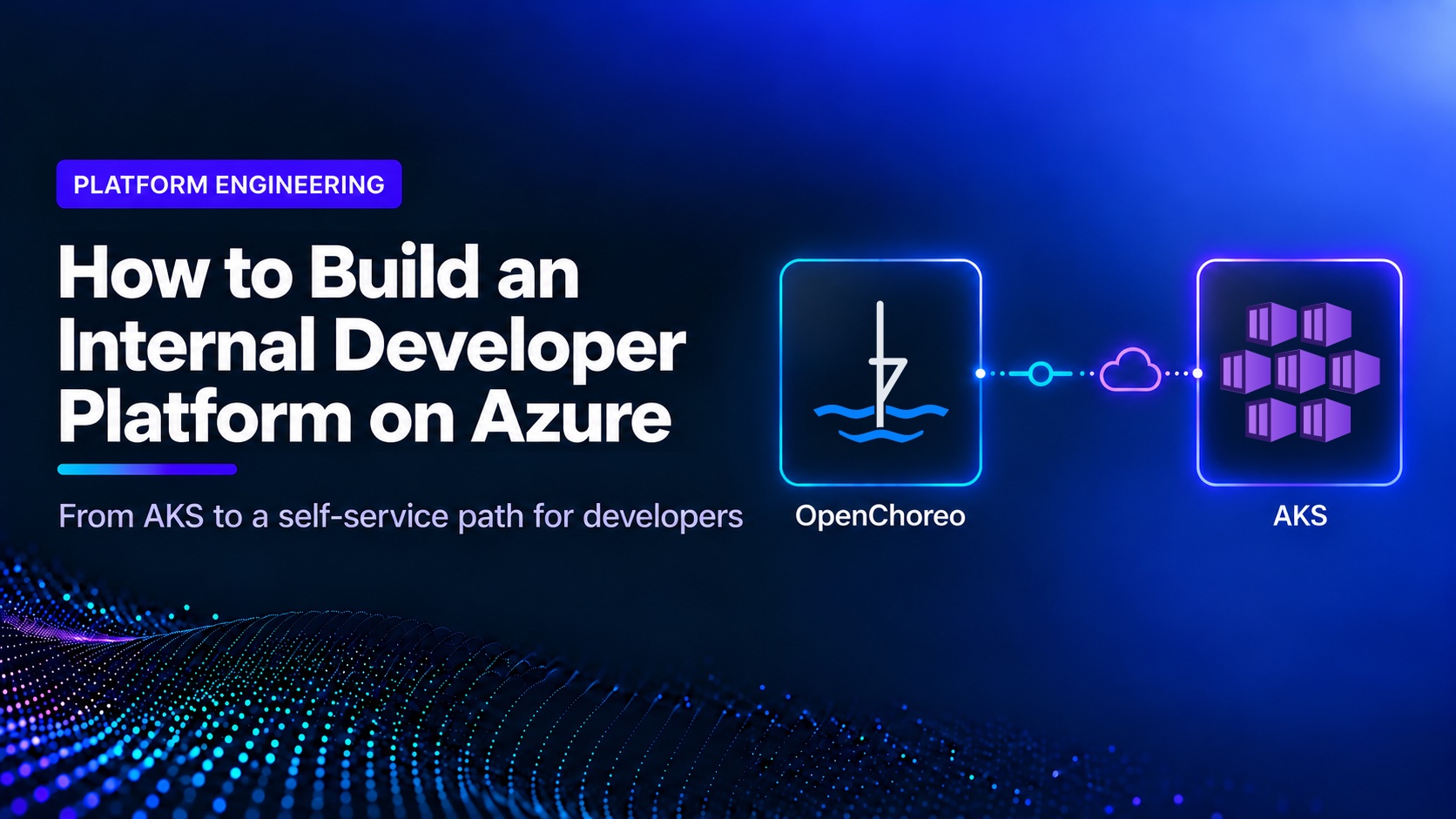
How to turn AKS and Azure's managed services into a self-service developer platform with OpenChoreo, from one service's path to production to a hub-and-spoke topology.
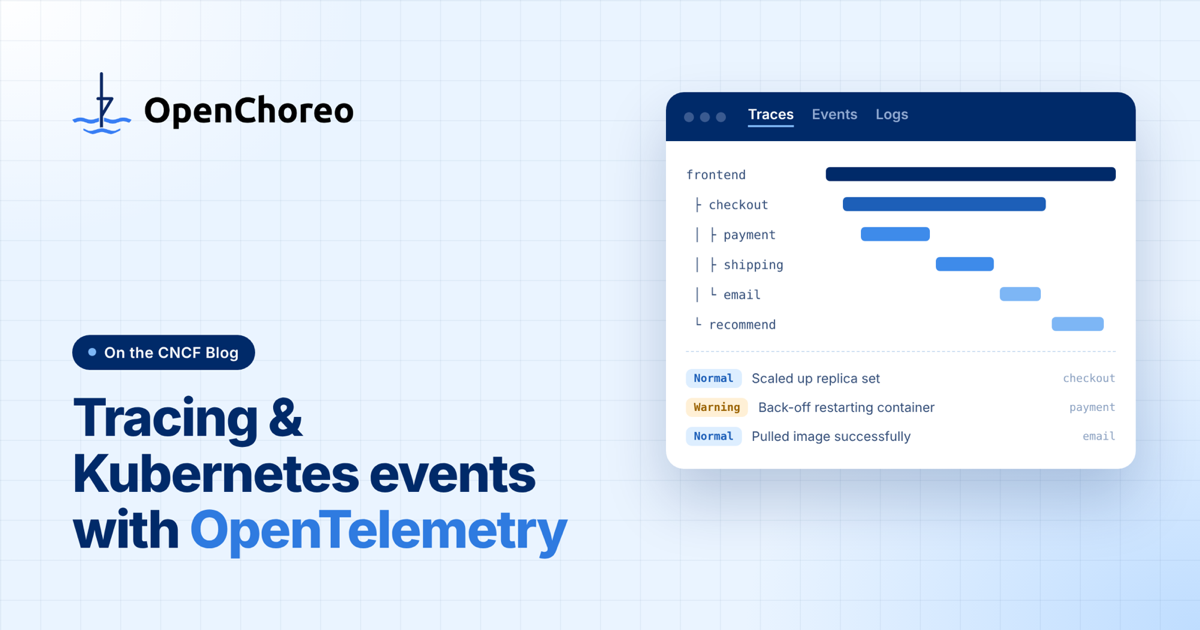
OpenChoreo uses the OpenTelemetry Collector to power distributed tracing and to persist Kubernetes events with added metadata, keeping them available after the API server discards them.
Where to meet the OpenChoreo maintainers at KubeCon + CloudNativeCon NA 2026 in Salt Lake City, our fourth KubeCon as a CNCF Sandbox project.

Learn what an internal developer platform is and how to design one.
Kubernetes orchestrates infrastructure but stops short of the self-service experience developers need. A five-layer enterprise model pairs SUSE Rancher Prime for cluster and infrastructure management with OpenChoreo for the application-level abstractions, translating developer intent into Kubernetes resources across managed clusters.

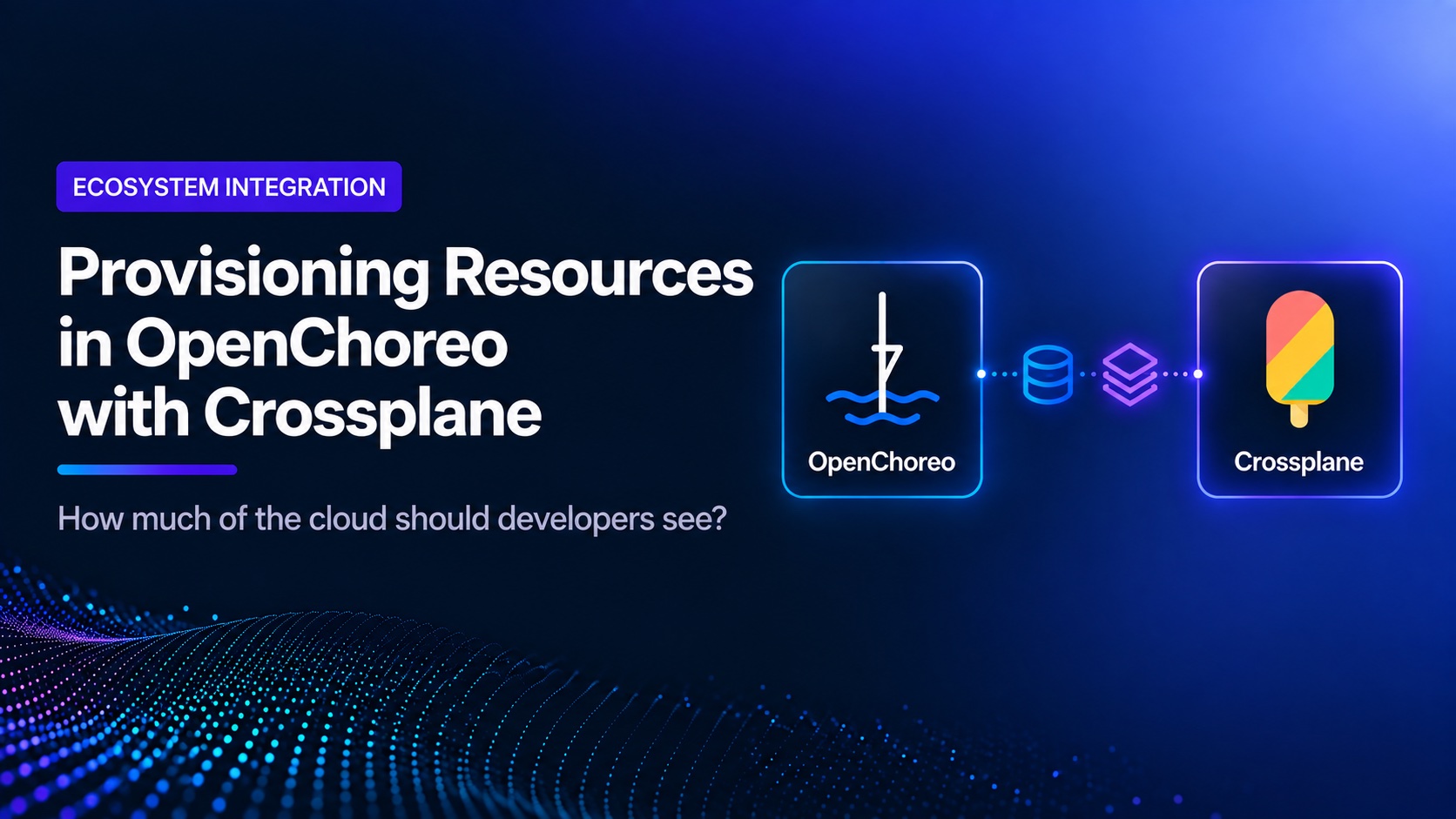
How much of the cloud should developers see? A guide to the OpenChoreo Crossplane integration, where developers set what the app needs and the data plane decides the rest.
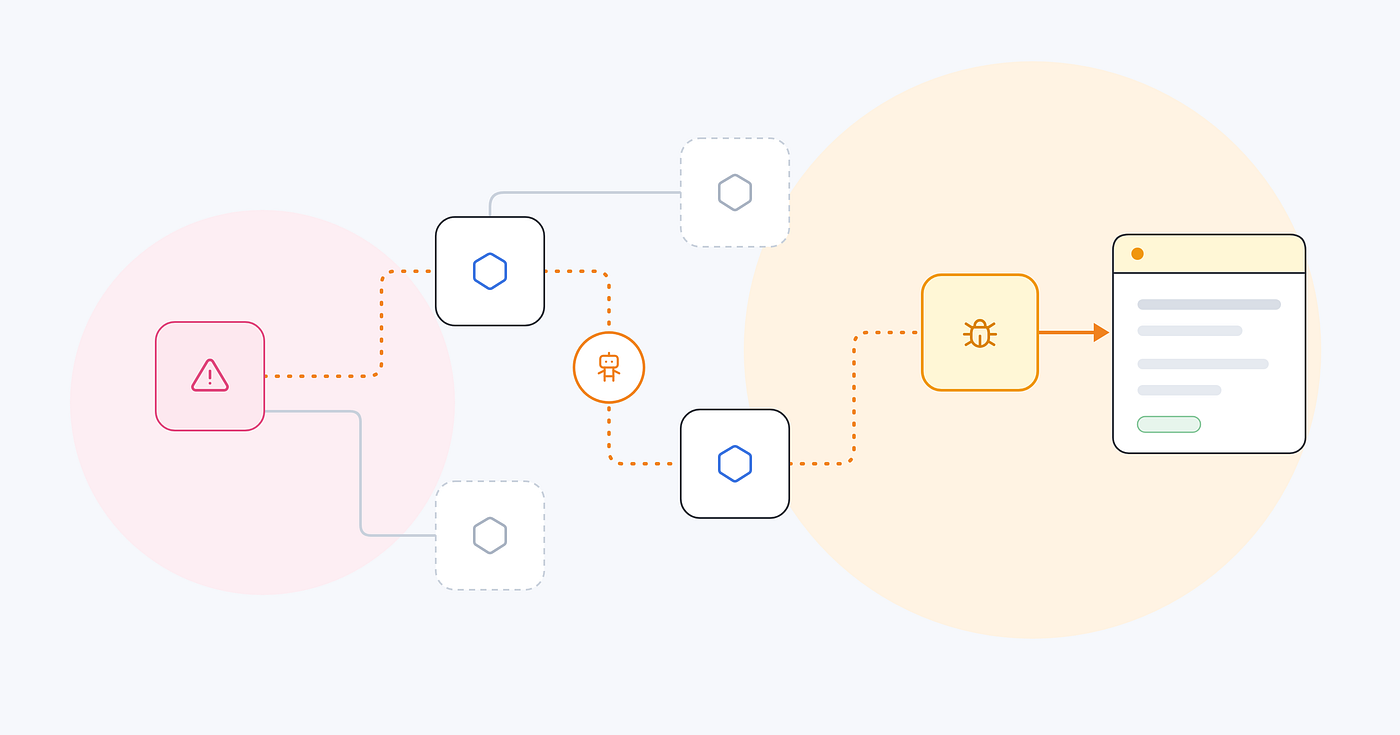
How OpenChoreo’s SRE Agent uses MCP servers to investigate alerts, trace Workload dependencies, identify failures, and generate root cause analysis reports.
Is your IDP ready for AI agents? Learn how to build a secure, agent-ready platform backend with open source, straight from the OpenChoreo maintainers.
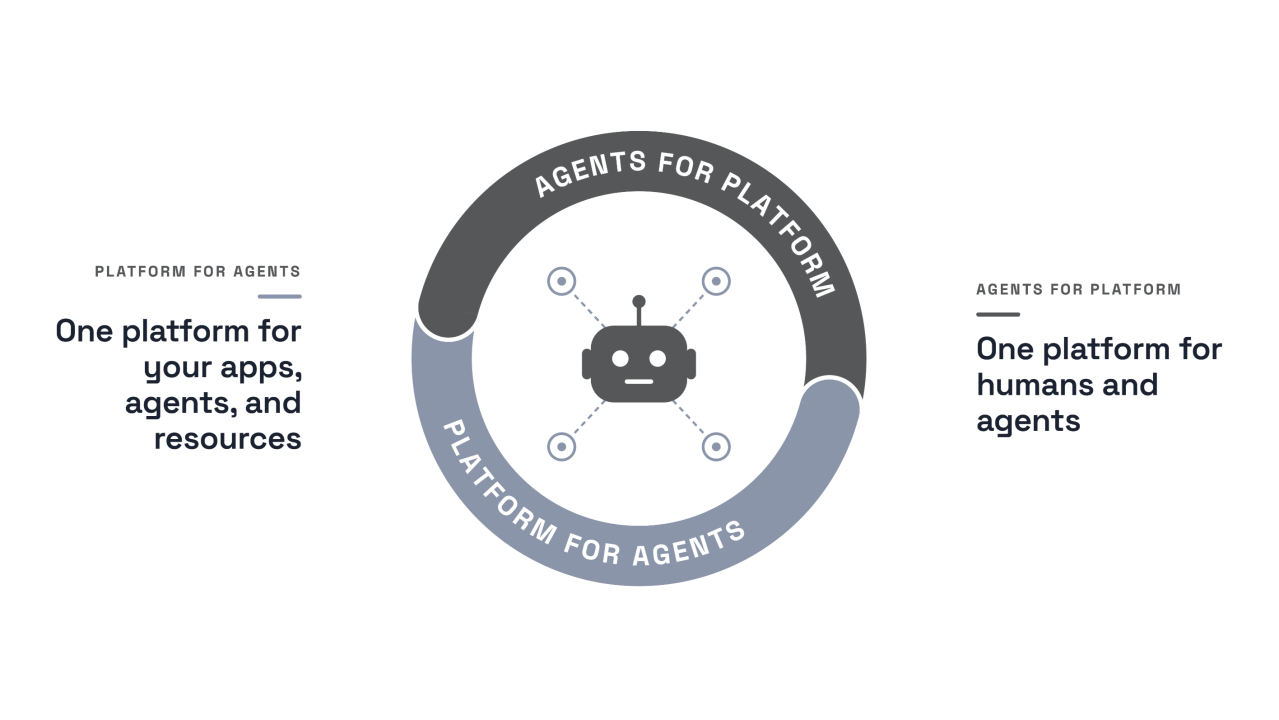
Agents are becoming both a workload your platform runs and an operator that runs your platform, and the same abstractions you built for developers are what make that safe for agents too.
OpenChoreo uses Fluent Bit to tag logs with platform metadata at collection, mapping them to components and projects instead of raw pods and namespaces.

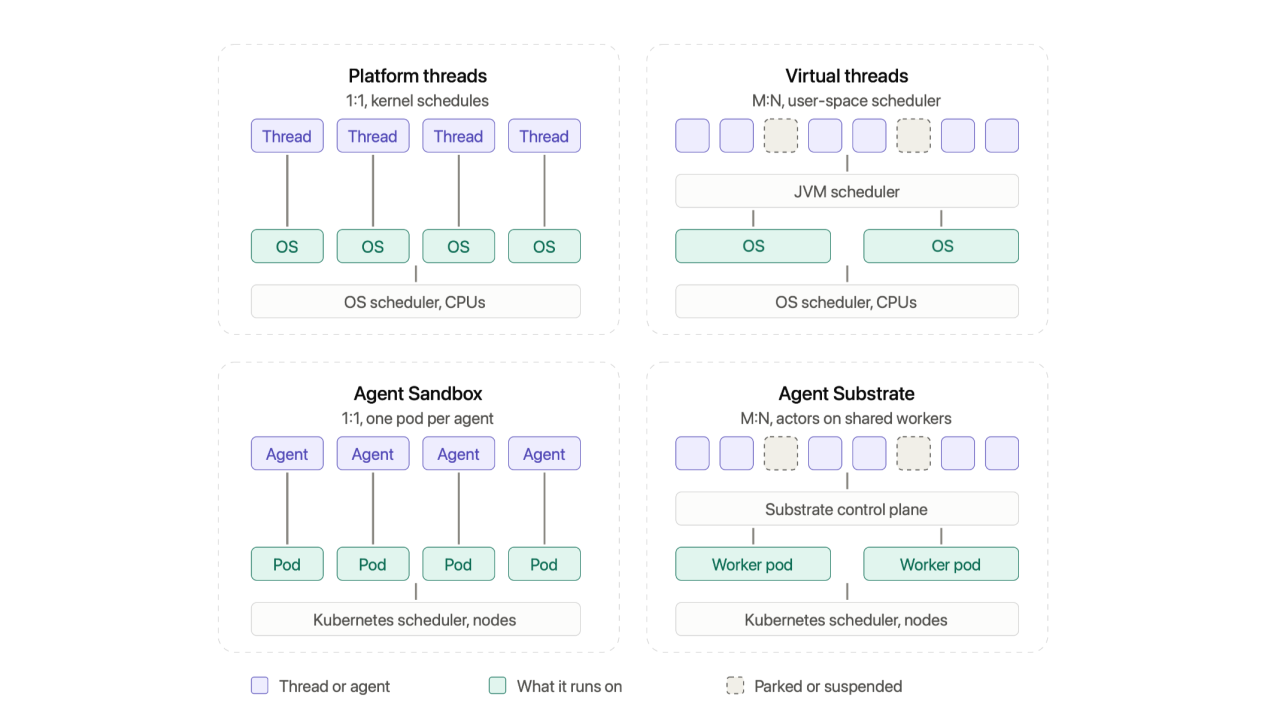
A deep dive into why both projects exist, using OS threads vs. virtual threads as the lens: Agent Sandbox gives each agent its own pod, while Substrate runs many I/O-bound agents on a small pool of shared worker pods.
Explore what's new in OpenChoreo v1.3: cost insights, DORA metrics, improvements to the local development experience, platform and audit logs, and more.